R.J. Reynolds Tobacco Co. v. Stidham: Mesothelioma Litigation
R.J. Reynolds Tobacco Co. v. Stidham involved
plaintiffs who were diagnosed with lung cancer that attempted to join a
single lawsuit against the tobacco companies and the producers of
asbestos and asbestos products. These plaintiffs asserted that their
cancers were the result of both exposures to deadly asbestos fibers as
well from years of tobacco smoking.
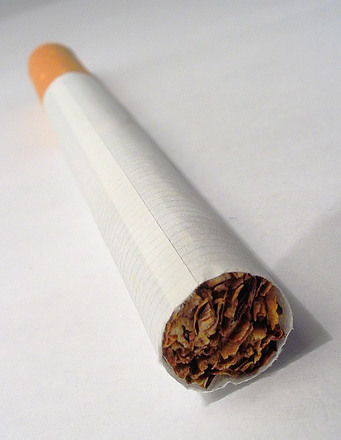 This
is not the first time that plaintiffs sued both the cigarette
manufacturers and the asbestos companies together, but in this case,
there were procedural challenges. In this jurisdiction, asbestos cases
are tried on a special asbestos docket.
This
is not the first time that plaintiffs sued both the cigarette
manufacturers and the asbestos companies together, but in this case,
there were procedural challenges. In this jurisdiction, asbestos cases
are tried on a special asbestos docket.
As our or Boston mesothelioma litigation attorneys
can explain, one of the reasons courts treat asbestos cases differently
than other cases is because of the need for speed through the system
due to the deadly effects of the disease that often results in
plaintiffs not surviving all the way through the trial process. This
does not, however, mean that if a plaintiff dies during litigation there
this is no case left. In this situation, the surviving spouse or next
of kin will be required to open a probate estate in the name of the
decedent and then take over the the case on behalf of their deceased
family member.
Another issue in these cases is that mesothelioma is a cancer almost
always caused by exposure to asbestos, and it is often in the lungs, but
it is not the same type of lung cancer caused by cigarette smoking.
However, asbestos exposure can cause that type of lung cancer, and that
is how a person who has been exposed to asbestos and also smoked may be
able to sue both types of companies in the same lawsuit.
In this case, they alleged what is known as synergy of causes between
the two carcinogenic products. This was okay, but the court dismissed
the claims against the tobacco company, because it felt they were not
properly on the asbestos docket, since they did not involve the
manufacture of asbestos or asbestos products. However, prior to this
dismissal, the asbestos claims were settled, and they were dismissed
from the lawsuit.
As the Court of Special Appeals heard the case and decided that since
the asbestos claims had already been settled and dismissed, there was no
basis for having the tobacco claims in that docket, and therefore the
plaintiff’s appeal was moot. This did not mean that they didn’t have a
case against the tobacco company, but it did mean that the special
asbestos docket was not the appropriate place to sue them.
Plaintiffs then appealed to the Court of Appeals, which is the highest
court in that state and serves as their state supreme court. In this
final appeal on the state level, the court agreed with the Court of
Special Appeals that the appeal was moot, since those claims against the
asbestos companies were already settled and dismissed.
However, despite the mootness, the court decided to discuss this case on
the merits and found that it was an important issue because the city of
Baltimore had been very much affected by asbestos due to the big ship
building industry that once existed

Aucun commentaire:
Enregistrer un commentaire